Back Pain Relief in Keller, TX — With a Clear Plan
If you’re looking for a back pain chiropractor in Keller, TX, you’re probably tired of quick fixes. We listen first, examine thoroughly, and build a plan around what may be contributing — not just where it hurts.
Back pain is treated as a pattern to evaluate rather than a label. History, symptom behavior, movement, neurological findings when indicated, work and training demands, and response to loading all help determine the next step.
What we look for
Back pain can involve joint restriction, muscle tension, movement compensation, posture stress, training load, sleep, and daily habits. The same symptom can have different drivers.
Our approach
The exam looks at how your spine and pelvis move, where there is restriction or excessive stress, which muscles may be compensating, and whether symptoms are local or part of a larger movement pattern.
Treatment planning
Care may include chiropractic adjustments, soft-tissue work, movement and rehabilitation exercises, and practical changes to daily activity based on the exam.
Who this care is for
Recurring back pain, desk-related stiffness, active adults and athletes limited by back pain, and people who want a clearer explanation of why symptoms keep returning.
First visit
The $49 new patient visit gives us 45–60 minutes to listen, examine, explain the findings, and discuss realistic next steps without pressure.
A closer look
What the back-pain examination is trying to answer
Back pain is a symptom, not a complete explanation. The first job is to determine whether the presentation appears primarily mechanical, whether the hip or leg is involved, whether nerve findings are present, and whether anything in the history suggests that imaging or medical referral should come before treatment.
From there, the examination looks at how the back, pelvis, and hips move together and how symptoms respond to sitting, bending, lifting, walking, training, or other real-life demands. That gives us a better starting point than simply treating the most painful spot.
Why adjustments and rehab can serve different purposes
Hands-on care may help improve comfortable joint motion and reduce short-term irritation for an appropriate patient. Rehabilitation addresses a different question: can the body control and tolerate the movements and loads that are part of normal life?
That is why a plan may include both. The goal is not only to feel different on the treatment table, but to become more capable during the activities that matter outside the office.
What we track as you improve
Pain intensity matters, but it is not the only measure. We also look at how often symptoms flare, how long they last, what activities you can tolerate, whether sleep and work are easier, and whether movement confidence is returning.
Fewer or less intense flare-ups
Improved tolerance for sitting, bending, lifting, or training
Better movement confidence
A clearer home plan for managing future symptoms
Common questions
Questions we hear about this topic
Do I need an X-ray or MRI before a back-pain visit?
Not automatically. Imaging is most useful when the history and examination suggest it could change management or when red flags are present. If imaging or medical referral is appropriate, we will explain why.
What if stretching only helps for a few minutes?
Temporary relief does not necessarily mean you need more stretching. Repeated tightness can reflect workload, guarding, mobility elsewhere, strength or control deficits, or another contributor that needs to be evaluated.
Can I keep exercising with back pain?
That depends on the pattern and severity. Many people do better with appropriate movement and modified loading than with prolonged rest, but the right level should be based on how your symptoms behave and what the examination shows.
What if the pain goes into my hip or leg?
Radiating symptoms deserve a closer neurological and mechanical assessment. The source may be the low back, hip region, or another structure, and the treatment approach depends on the findings.
From Dr. Corey's video library
Watch the explanation
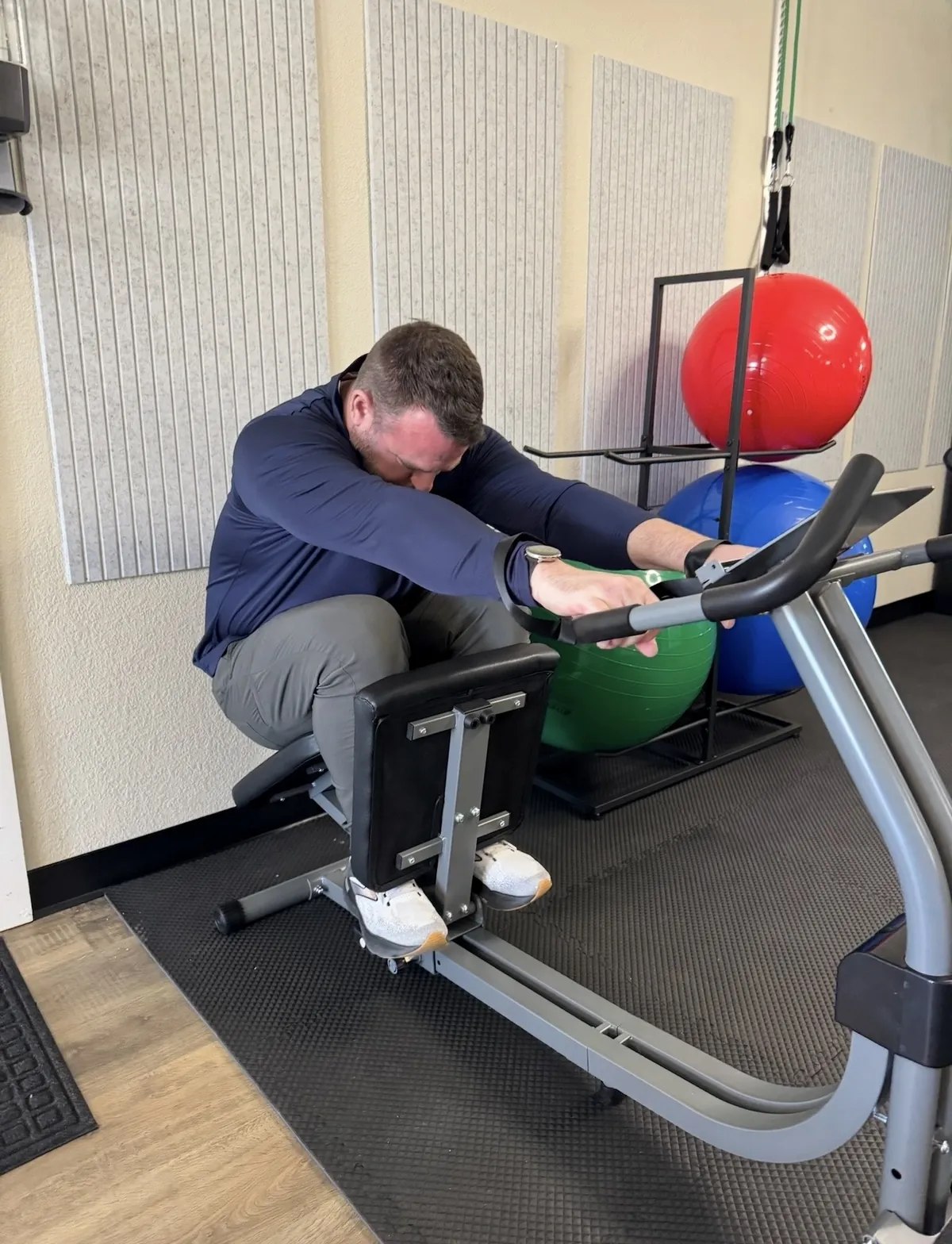
Why Your Low Back Always Feels Tight
Why stretching tight back muscles doesn't always solve the root cause of stiffness.